
Featured Articles
-
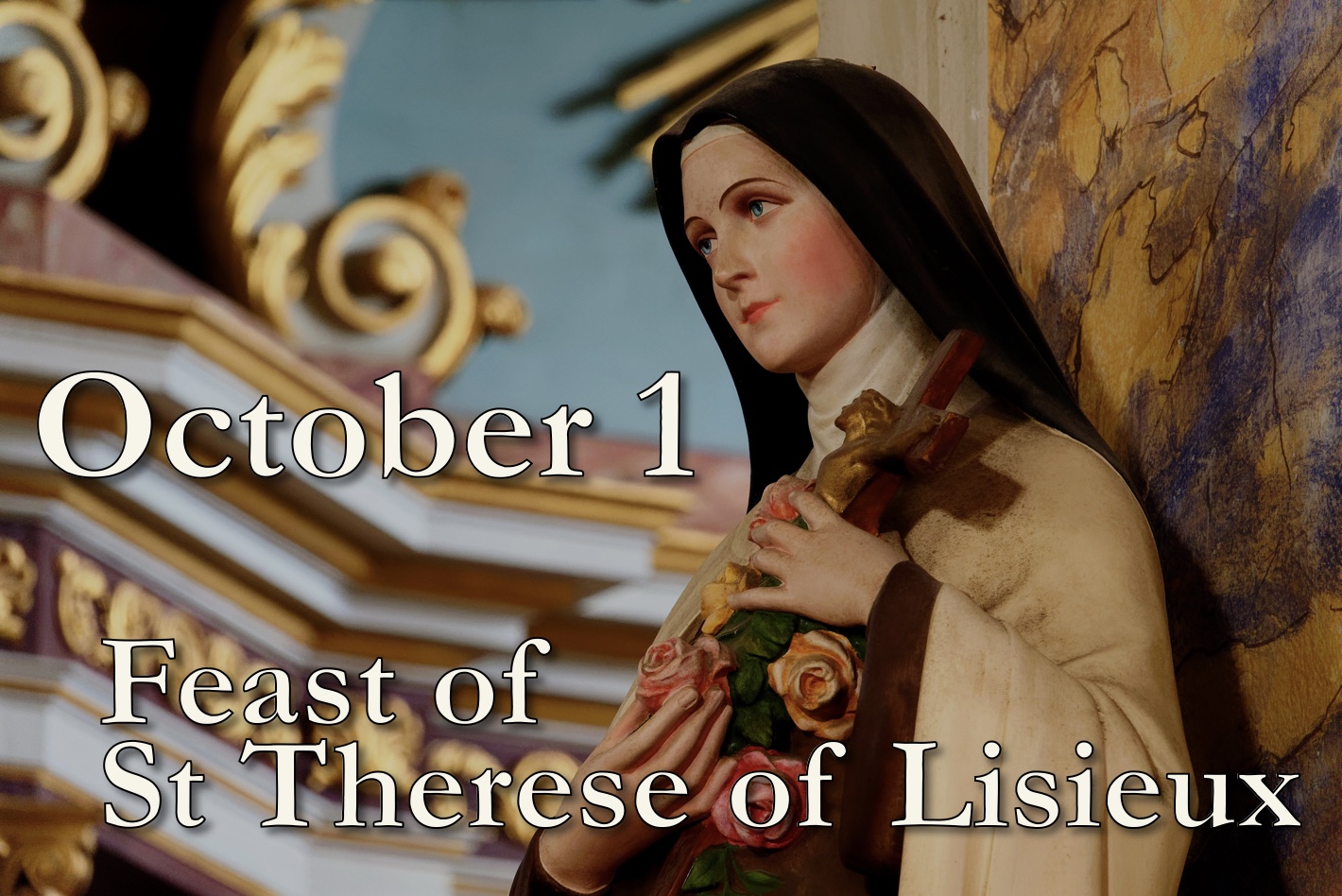 Read More: October 1: Feast of St Therese of Lisieux
October 1 is the Feast Day of St Therese of Lisieux! Below are many articles that feature her. Happy Feast Day!
-
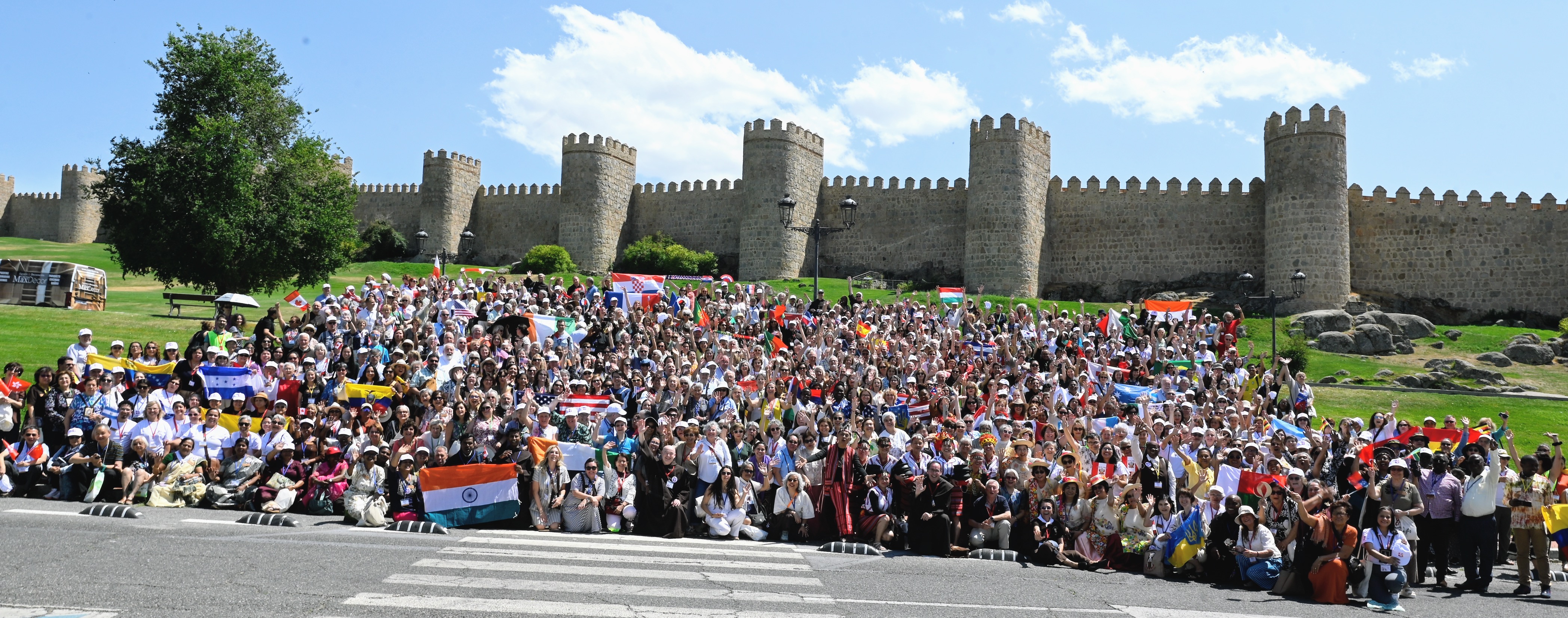 Read More: OCDS World Meeting 2026: Blog from Avila
The recently concluded first OCDS World Meeting 2026 in Avila has generated great excitement and is proving to be a landmark event for Secular Carmel. To mark the occasion, we reproduce below the compilation of a daily blog written over four days during the event and originally published on the UK Secular Carmel Blog. This…
-
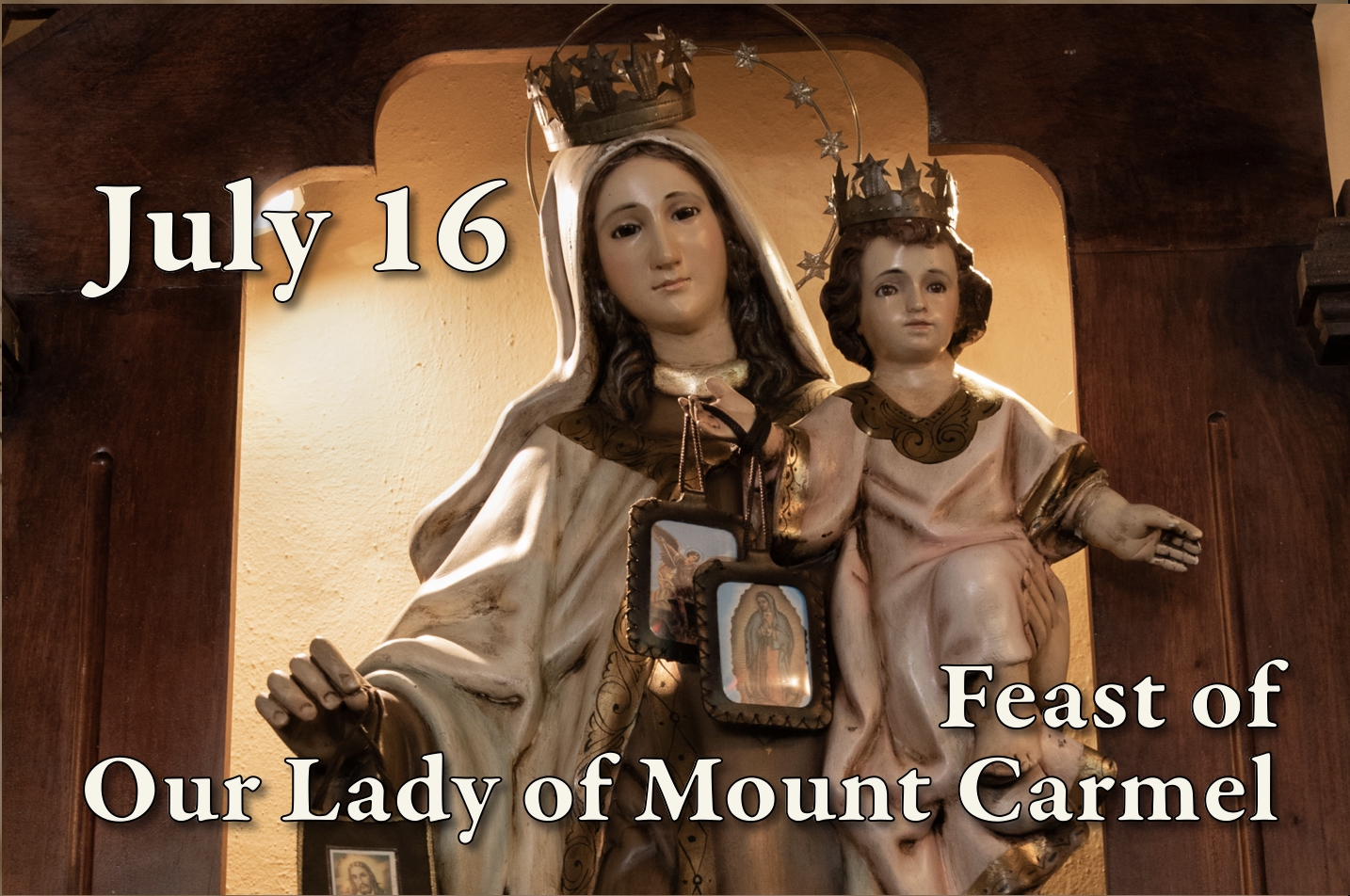 Read More: July 16: Feast of Our Lady of Mount Carmel
July 16 is the Feast Day of Our Lady of Mount Carmel! Below are many articles that feature Our Lady. Happy Feast Day!
-
 Read More: Journeying to Know Blessed Anne of St Bartholomew: A Carmelite Pilgrim’s Encounters in Belgium
As Carmelites we are blessed to have so many saints in heaven that it is hard to know them all, and before I went to Belgium I have to admit I knew nothing about Blessed Anne of St Bartholomew. As the ship sailed off from Dover, my expectations for the week consisted of rest, sun,…
-
 Read More: “The Heart She Leaves in Us”: Personal Encounters with Blessed Anne of St. Bartholomew
Blessed Anne of St Bartholomew continues to touch lives in ways as varied as the people who turn to her. In the following testimonials — drawn from the shared reflections of the Carmel of Antwerp and friends devoted to her — her intercession and presence are experienced personally: in healing, in encounter, and in the…
-
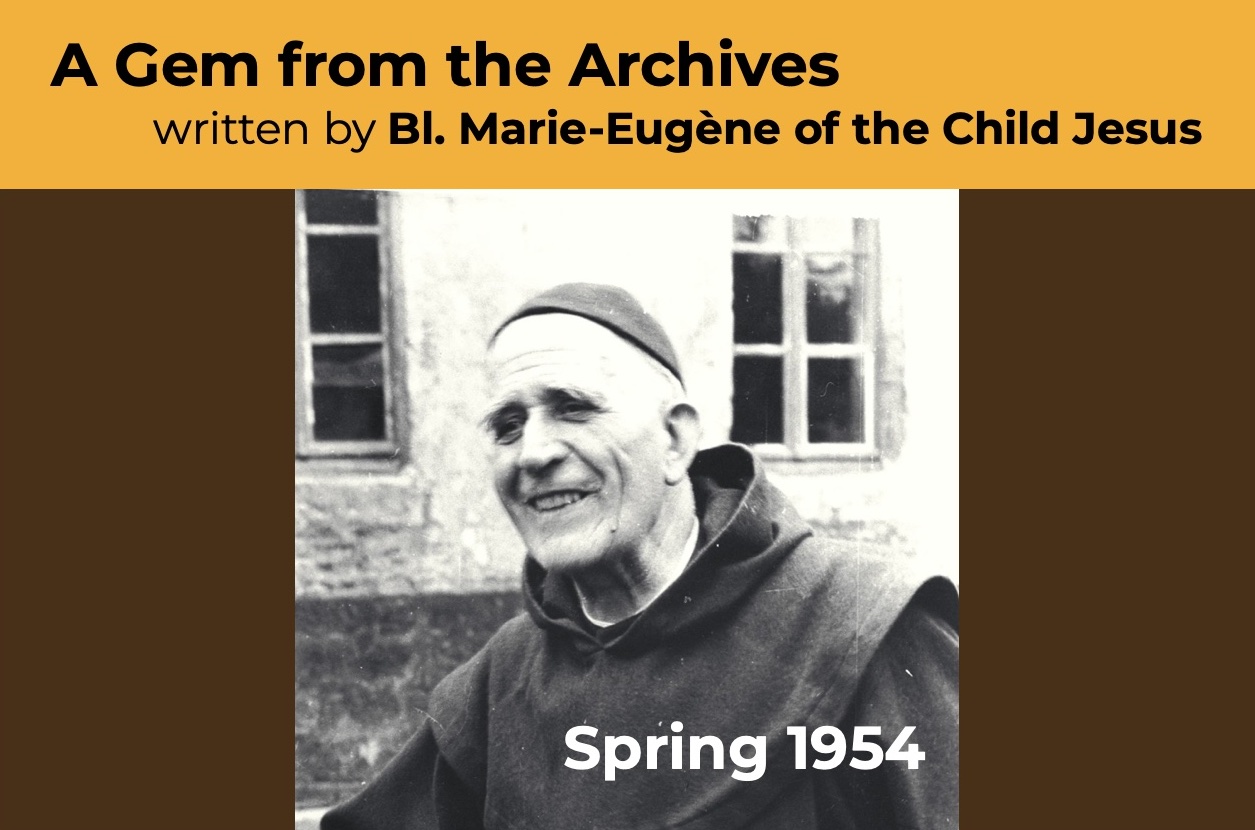 Read More: The Humble Servant of Nazareth: St. Joseph and the Theology of Hidden Holiness
This article was originally published in the Spring 1954 issue of Mount Carmel magazine under the title, “Saint Joseph”. At that time, Bl. Marie-Eugene was Fr. Marie-Eugene. Saint Joseph by Father Marie-Eugene, O.D.C. Translated by Fr Oswald J. Murphy. The question of rivalry for preeminence between St Joseph and St John the Baptist has so…